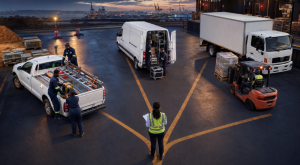
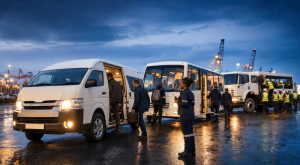
September brings the start of spring, and for many South African businesses it also marks a busier period for outdoor projects, construction work, maintenance, site visits and regional operations.
As work moves beyond offices and warehouses, transport requirements can change quickly. A vehicle that performs perfectly on city roads may not be the best choice for an unsealed access road, farm track or uneven construction site.
That does not mean every project requires a 4×4. The smarter approach is to look at where the vehicle will travel, what it needs to carry and how often it will be used.
Start With the Route
A 4×4 bakkie rental should be chosen because the working conditions justify it.
If the vehicle will spend most of its time on highways and well-maintained roads, a standard bakkie may be sufficient. A 4×4 becomes more relevant when employees regularly need to access gravel roads, farms, remote properties, construction sites or routes that can become difficult after rainfall.
Spring weather can also make certain roads less predictable. Loose surfaces, mud, ruts and uneven ground may all affect access.
Planning around the actual route helps a business avoid hiring more vehicle than it needs, while also reducing the chance of sending an unsuitable vehicle to a difficult site.
Think About People and Equipment
Commercial transport is rarely only about moving the driver.
A site vehicle may need to carry tools, machinery, protective equipment, materials and employees at the same time.
A single cab can be useful when load space is the priority. A double cab may be more practical when several employees need to travel together while still carrying equipment.
If tools or materials need additional protection, a canopy may also be worth considering.
Before arranging a 4×4 bakkie rental, work out the number of passengers, approximate load, daily kilometres and the types of roads the vehicle is likely to encounter.
Which Businesses Can Benefit From a 4×4 Rental?
Businesses operating in construction, agriculture, engineering, mining support, utilities, forestry and maintenance often work in environments where road conditions differ significantly from standard urban travel.
A 4×4 can provide additional capability for projects taking place away from conventional roads.
However, the vehicle should still be driven according to the conditions. Four-wheel-drive capability does not replace proper route planning, safe loading or responsible driving.
The purpose of renting a 4×4 is to better match the vehicle to the environment, not to take unnecessary risks.
Rental Can Make More Sense Than Buying
Not every business needs a 4×4 throughout the year.
A company may only require one for a particular contract, remote project or seasonal increase in site work. Purchasing a specialised vehicle for temporary demand can leave the business with an asset that is underused once the project ends.
Rental gives businesses the flexibility to access a suitable vehicle for the period in which it is genuinely needed.
Paragon Van, Car & Truck Rental offers a range of commercial vehicle options that can help businesses match transport to different working environments and project requirements.
Review Your Spring Transport Requirements
September is a useful time to assess upcoming contracts, construction schedules, maintenance programmes and site visits.
Consider whether existing vehicles can handle the expected workload, whether additional vehicles will be required and whether certain routes need more capable transport.
If spring projects involve remote sites, rough roads or mixed passenger and cargo requirements, a 4×4 bakkie rental can provide a practical alternative to expanding the permanent fleet.
Speak to Paragon Van, Car & Truck Rental about the type of work, route and load involved so that the vehicle can be matched to the actual requirements.
The right commercial vehicle should make the job easier from the moment the team leaves the yard.