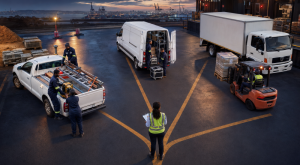
A broken-down business vehicle rarely causes only one problem. The vehicle stops, but the working day does not. Deliveries still need to leave, staff still need to reach site, customers are still expecting their orders and deadlines do not move simply because a bakkie, van or truck is off the road.
For a business that depends on transport, the question is not only how quickly the vehicle can be repaired. It is how to keep the operation moving while the repair is being handled.
The Real Cost Is Bigger Than the Repair Bill
Workshop costs are easy to see. Lost time is harder to measure.
A vehicle that remains out of service can interrupt scheduled work, delay invoicing and force employees to rearrange routes or explain missed delivery times. In some businesses, one unavailable vehicle affects an entire team. A crew may have no way to reach a project, or completed stock may remain at the warehouse because there is no suitable vehicle to move it.
Waiting for the repair is therefore not always the least expensive option. A job that initially appears small may take longer if parts are unavailable or the workshop uncovers another fault.
Deal With the Immediate Situation First
Safety comes before the delivery schedule. The driver should stop in the safest available place, follow the company’s breakdown procedure and contact the relevant roadside assistance provider or fleet manager.
Once the immediate situation is under control, assess what still needs to happen. Which deliveries cannot be moved? Is a team waiting for transport? Does the replacement vehicle need a specific load area, passenger capacity, towing ability or access to rough roads?
Answering those questions prevents a rushed booking that fixes the breakdown problem but creates a transport problem.
Use Rental to Protect the Working Day
Commercial vehicle rental gives the business temporary capacity without forcing it to wait for the damaged vehicle to return. The replacement can cover a few days, several weeks or an uncertain repair period.
This can be more practical than repeatedly postponing work or taking another company vehicle away from its existing route. It also gives the workshop time to complete the repair properly rather than placing pressure on the business to put the vehicle back into service too soon.
The key is to hire according to the work that must continue, not simply to accept the first available vehicle.
Replace the Function, Not the Badge
A temporary replacement does not have to be the same make or model as the vehicle that broke down. It does need to perform the same job.
Consider the load’s weight and dimensions, the number of passengers, the daily distance and the route conditions. A small van may suit boxed goods but struggle with bulky equipment. A standard bakkie may handle local deliveries, while site work could require a 4×4 or a canopy to protect tools and materials.
Accurate information at the booking stage helps the rental company recommend a practical option and lowers the risk of further delays.
Have a Breakdown Plan Before the Breakdown
Keep a simple record of each business vehicle’s role, usual load, driver requirements and daily kilometres. Add contact details for insurance, roadside assistance and the person authorised to approve a rental. Businesses with several vehicles should also decide which routes, clients or projects receive priority when capacity drops.
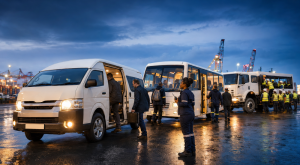
Paragon Van, Car and Truck Rental offers commercial vehicles including bakkies, panel vans, buses, crew cabs and trucks, allowing businesses to arrange temporary transport around the job that needs to continue.
A breakdown may be unavoidable, but prolonged disruption is not. A clear response plan and a suitable rental vehicle can keep staff, stock and customer commitments moving while the repair is completed.