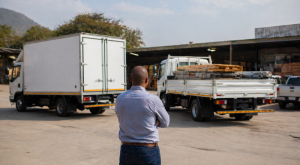
Hiring a commercial vehicle sounds simple until someone asks what size you need. A bakkie may be perfect for one job and completely wrong for the next. A panel van keeps goods covered, but it may not suit an awkward load. A truck offers more capacity, although bigger is not automatically better.
The right choice depends on what is being moved, how far it is travelling and what happens at each end of the trip. Spending a few minutes on those details can prevent extra journeys, damaged goods and a vehicle that is difficult to load.
Start With the Load
Begin with an honest description of what the vehicle will carry. “A few boxes” is not enough. Consider the weight, dimensions, quantity and shape of the items. Note whether anything is fragile, weather-sensitive or difficult to secure.
Weight and space are separate issues. A load can be light but bulky, or compact and surprisingly heavy. Both affect the vehicle choice. If you are uncertain, provide measurements and an estimated total weight when requesting a quote. Photographs can also help the rental team understand an unusual item.
When a Bakkie Makes Sense
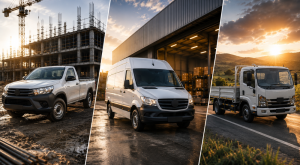
A bakkie is a practical option for tools, building materials, garden supplies, equipment and general business use. The open load area makes it easy to handle items that are dirty, tall or awkwardly shaped. It can also work well where loading is done by hand and access is limited.
Paragon offers half-ton and one-ton bakkie rental options. The difference matters. Choosing according to habit rather than payload could leave the vehicle overloaded or force an unplanned second trip.
An open load area also means thinking about weather and security. Tarpaulins and proper tie-downs may be needed, and valuable goods should not be left unattended. If the load must remain dry, concealed or locked away, a panel van may be the more sensible choice.
Why Choose a Panel Van?
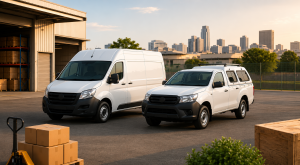
Panel vans suit deliveries where protection and enclosed space matter. Stock, parcels, event equipment and packaged goods can travel out of the rain and away from public view. Rear and side access can also make loading easier when several stops are planned.
Before booking, check the internal dimensions rather than relying on a general impression of the van’s size. Door openings matter too. A cabinet may fit inside the load area on paper but still be too wide to pass through the door.
Think about the order of deliveries as you load. Goods needed at the first stop should not be buried behind everything else. A little planning at the start can save a surprising amount of time during the day.
When the Job Calls for a Truck
A truck becomes useful when the load exceeds the practical capacity of a bakkie or panel van. This may include larger moves, heavy equipment, palletised goods or substantial quantities of stock. Paragon’s commercial fleet includes five-ton and eight-ton truck options for bigger requirements.
Do not book a truck based on tonnage alone. Ask about the body type, load dimensions and loading method. Will people carry the goods by hand, or is a forklift required? Is there enough room for the vehicle to enter, turn and park at the collection and delivery points?
The driver must also hold the correct licence for the selected vehicle. Sorting this out before collection avoids a preventable delay.
Remember the Route
A vehicle has to suit the entire journey, not only the load. Consider road conditions, distance, parking, height restrictions and access at both ends. A larger truck may reduce the number of trips but create difficulties at a narrow entrance or crowded delivery point.
Daily kilometres and rental duration also affect the booking. Share realistic estimates with the rental company, especially if the route or schedule may change.
Ask Paragon Before You Guess
Customers do not need to arrive with the vehicle decision already made. A useful rental enquiry explains the job clearly: what is being transported, approximate weight and dimensions, travel dates, expected distance, road conditions and loading arrangements.
Paragon Van, Car and Truck Rental can then recommend an option from its range of bakkies, panel vans and trucks. That conversation is worth having. The cheapest vehicle is not good value if it requires two trips, while unused capacity is money spent for no practical benefit.
Choose the vehicle around the work. When the load, route and access have all been considered, the rental becomes simpler and the day is far less likely to produce an unpleasant surprise.